Tankering
Jetting
News
Surveying
Deep Suction Tankering: When You Need It and What It Solves
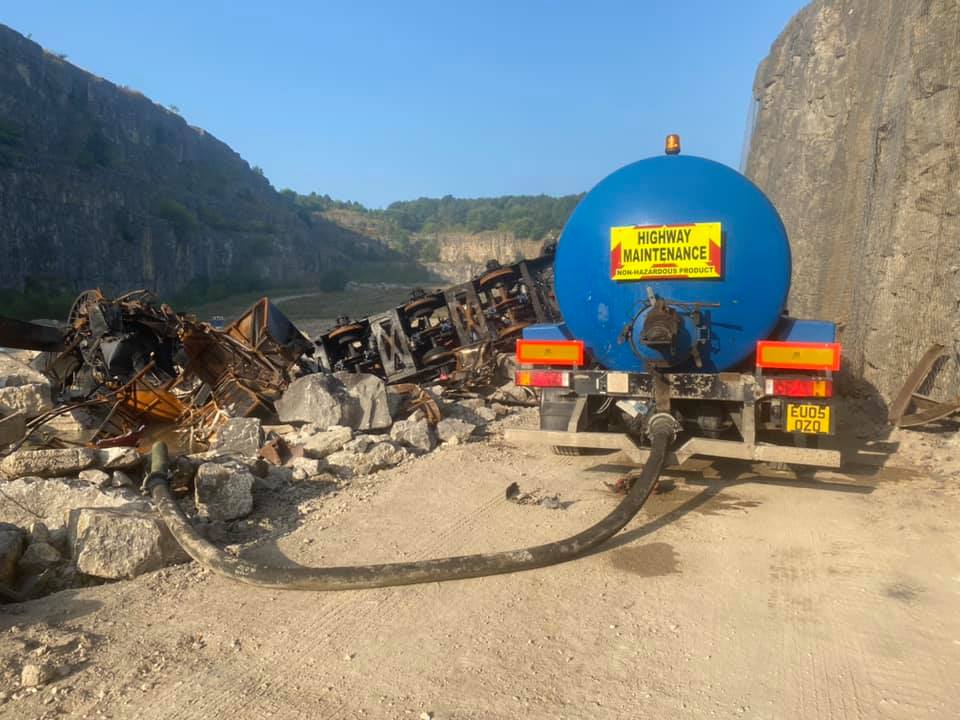
Tankering isn’t just “a big truck with a tank”. Deep suction tankering is used when waste, liquids or heavy build-up must be removed safely and efficiently, especially when the job involves awkward access, thicker material, or a system that can’t be drained normally.
For Fox Contracting, tankering is a core service because it supports both household needs and site operations without guesswork or disruption.
What “deep suction” actually means
Deep suction refers to tankering capability designed to handle:
heavier materials (sludge/silt build-up)
deeper or harder-to-reach systems
situations where standard pumping struggles
demanding site conditions where consistent suction performance matters
It’s commonly paired with drainage maintenance, emergency response, and planned site work.
When deep suction tankering is used
Deep suction tankering is typically required for:
1) Waste removal from drainage systems
When liquid waste and debris need to be removed from site or property without interrupting other operations.
2) Septic tanks and cess pits (where applicable)
For properties using septic/cess systems, scheduled emptying prevents overflow, odours, and system failures.
3) Construction and groundworks support
Sites often need suction support during active work, especially where:
drainage lines are impacted by sediment
systems must stay operational
timelines can’t slip due to waste handling delays
4) Off-road or difficult access scenarios
Where on-site conditions require a vehicle and setup that can support access limitations (subject to site suitability).
What you should prepare before a tankering visit
This simple prep saves time and avoids delays:
Access: confirm vehicle access and any restrictions (gates, height limits, soft ground)
Location: identify access points (covers, chambers, tank lids)
Scope: what’s being removed (waste type, approximate volume if known)
Timing: planned vs urgent requirement
Site rules: PPE requirements or induction needs (for B2B sites)
What to expect on the day
A typical tankering job follows a straightforward workflow:
Confirm access and safety on arrival
Set up suction and carry out removal
Check system condition (basic operational confirmation)
Coordinate transport/disposal as required
Confirm completion and next steps if needed
If the issue is recurring, tankering may be combined with jetting (to clear lines) or CCTV surveying (to identify underlying defects).
Why tankering is often combined with jetting or CCTV
Tankering is the “handling” side. Jetting and CCTV are the “fix and diagnose” side.
Jetting clears and cleans pipework
CCTV shows what’s happening inside the system
Tankering removes and manages the waste/liquid so the work can actually be completed properly
For many commercial and contractor-led jobs, this combination is what keeps sites moving.
Tankering support across domestic and commercial work
For households, tankering is usually about keeping systems functional and preventing messy failures.
For contractors and commercial sites, it’s about uptime, predictability, and clean coordination.
Fox Contracting provides tankering support with modern equipment and direct accountability, focused on practical outcomes rather than selling unnecessary extras.