Tankering
Jetting
News
Surveying
High-Pressure Jetting: What and When?
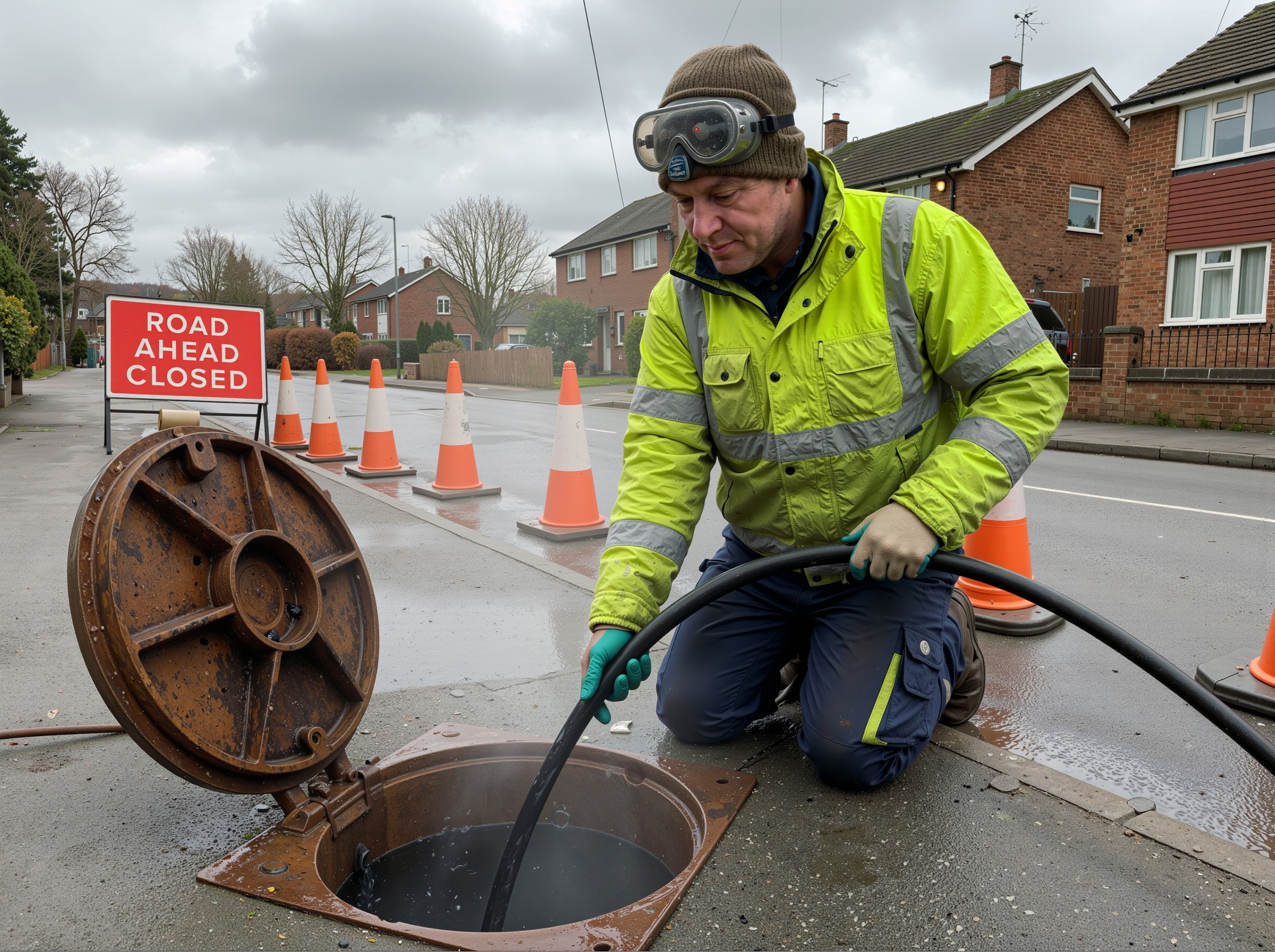
High-pressure jetting is a method of cleaning and clearing drainage lines using controlled water pressure. Specialist jetting equipment directs high-pressure water through the pipework to break down and remove common causes of blockages such as grease, silt, sediment and general debris.
Unlike chemical treatments, jetting is a physical cleaning method. It is designed to clear obstructions and improve flow while also cleaning the internal pipe walls to reduce the chance of recurring issues.
What jetting is used for
Jetting can be used in both reactive and planned scenarios. Typical uses include:
Drain and line clearance
Clearing blocked or slow drains and restoring normal flow.
Silt, fat and debris removal
Removing build-up that causes recurring restrictions and bad drainage performance.
Gully and channel cleaning
Supporting surface water drainage and keeping sites safe and operational.
Post-works clean-up
Removing sediment and debris after groundworks or construction activity.
Support for CCTV surveys
Jetting can be used before inspections to improve visibility, or after surveys to address identified issues.
Why jetting is a preferred method
High-pressure jetting is widely used because it is:
Effective at clearing common drainage build-up
Chemical-free, avoiding harsh treatments
Fast on-site, reducing downtime
Suitable for planned maintenance, not just emergencies
Flexible, working across many domestic and commercial scenarios
The key is using the right pressure for the system. A proper jetting job is controlled and adjusted to suit pipe size, condition and access.
What to expect from a jetting visit
Most jetting work follows a straightforward process:
Initial discussion of the issue and site access
On-site assessment of the drainage condition
Jetting carried out using controlled pressure
Confirmation that flow is restored or cleaning is complete
Practical next-step guidance if anything else is required